The central scientific repository for Limb-Girdle Muscular Dystrophy R4 (LGMD 2E / SGCB deficiency): connecting human clinical genetics, AAV clinical pipelines, in vivo base editing, and cytoprotective peptide biophysics.
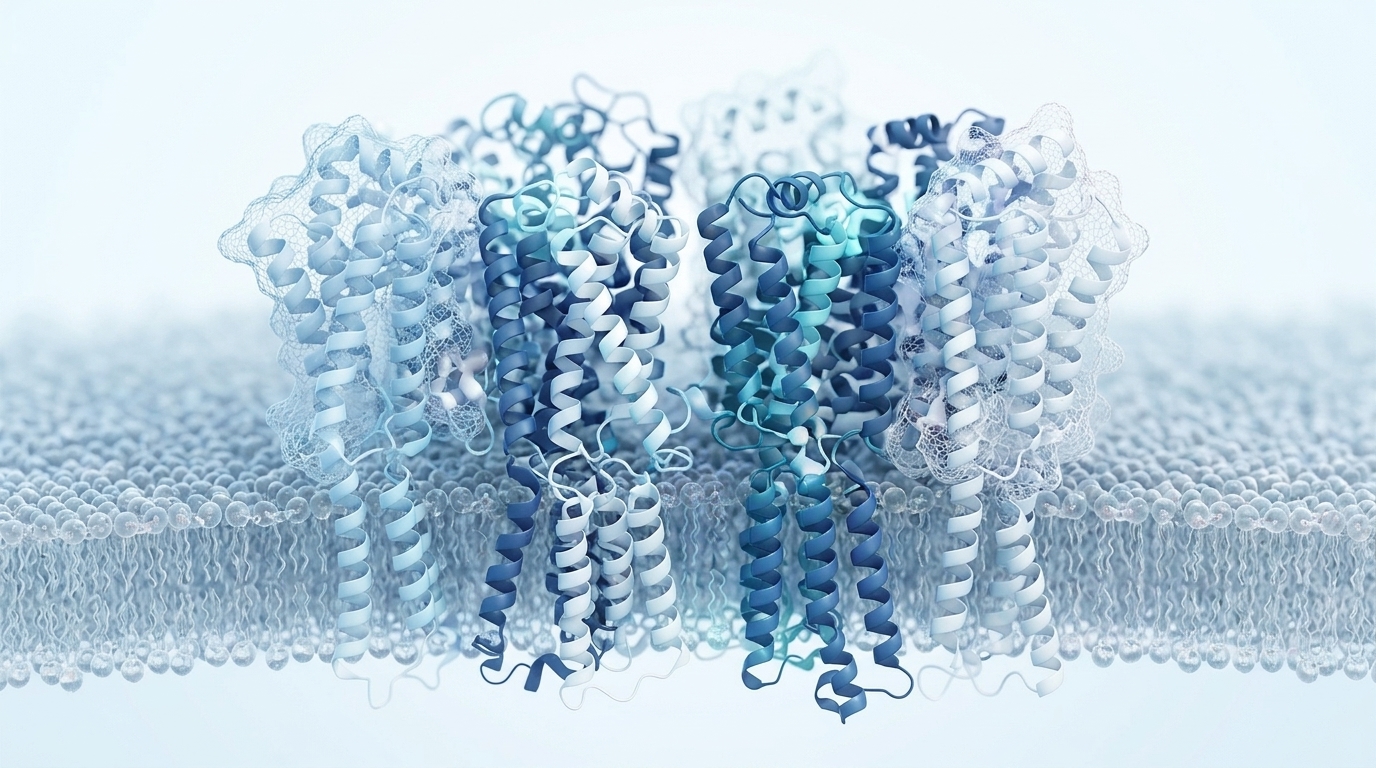
Limb-Girdle Muscular Dystrophy R4 (LGMD 2E) is a progressive, life-altering autosomal recessive disease. Families navigating this diagnosis deserve absolute scientific truth, rigorous peer-reviewed evidence, and an unvarnished assessment of translational realities:
*Disclaimer: This repository is an AI-assisted open-science literature synthesis and theoretical research hub. It does not constitute medical advice, clinical validation, or a treatment protocol. Always consult qualified neuromuscular specialists and clinical geneticists.
Navigate into specialized deep-dive sections covering molecular genetics, gene therapy pipelines, custom peptide specifications, and live scientific intelligence.
The "House of Cards" sarcoglycan assembly hierarchy, ERAD degradation, and exact molecular analysis of the compound heterozygous Ser114Phe and Tyr184* variants.
SRP-9003 Phase 3 EMERGENE biopsy data, AAVrh74 vector biology, in vivo Adenine Base Editing (ABE) for Ser114Phe, and non-viral SORT LNPs / eVLPs.
Peer-reviewed analysis of membrane sealants (P188), NF-κB blockade (NBD), calpastatin, and SS-31 versus unvalidated in silico peptide concepts.
Quantitative 5-tier biomarker matrix: Serum CK, Cardiac MRI (T1/ECV), hs-cTnI, TGF-β1, urinary β2-microglobulin, and NSAA motor batteries.
Real-time scientific news feeds connecting to live NCBI PubMed papers, active ClinicalTrials.gov registries, and curated deep-dive clinical reports.
Download the complete 4-page Clinical Dossier (MED-SGCB-2026-CLIN) and benchmark report (BIO-DMD-2026-TR8), plus 14 verified PubMed citations.
Grounding scientific hope in measurable biological realities: how clinical supportive care, AAV gene replacement, precision base editing, and cytoprotective shields intersect.
Access 14 peer-reviewed PubMed studies covering SGCB genetics, AAVrh74 trials, and CFTR corrector C17 rescue, alongside our scientific audit of the AI-generated conceptual synthesis drafts.